

The fascinating journey of casinos from ancient games to modern marvels
The Origins of Gambling
The roots of gambling can be traced back to ancient civilizations, where games of chance were often intertwined with cultural and religious practices. In ancient China, artifacts such as dice and betting tools reveal that gambling was an intrinsic part of society. The popular game of chance known as “Keno,” believed to have emerged around 200 BC, showcased the early use of betting as a form of entertainment. Today, players can explore choices at best uk non GamStop casinos that cater to various preferences and regulations.

Similarly, in ancient Rome, gambling was prevalent among the elite, who would wager on various events, including gladiatorial contests. These early forms of gambling laid the groundwork for the development of more structured games and betting systems, indicating that human fascination with chance has existed for millennia.
The Evolution of Casino Games
As societies progressed, so too did the games played within gambling establishments. The Middle Ages saw the emergence of card games, with Tarot cards becoming popular in Europe. This period marked a shift from simple chance games to more complex strategies and skills, contributing to the growth of gambling as a social activity. The psychology of gambling has played a significant role in this evolution, influencing how games are designed and enjoyed.
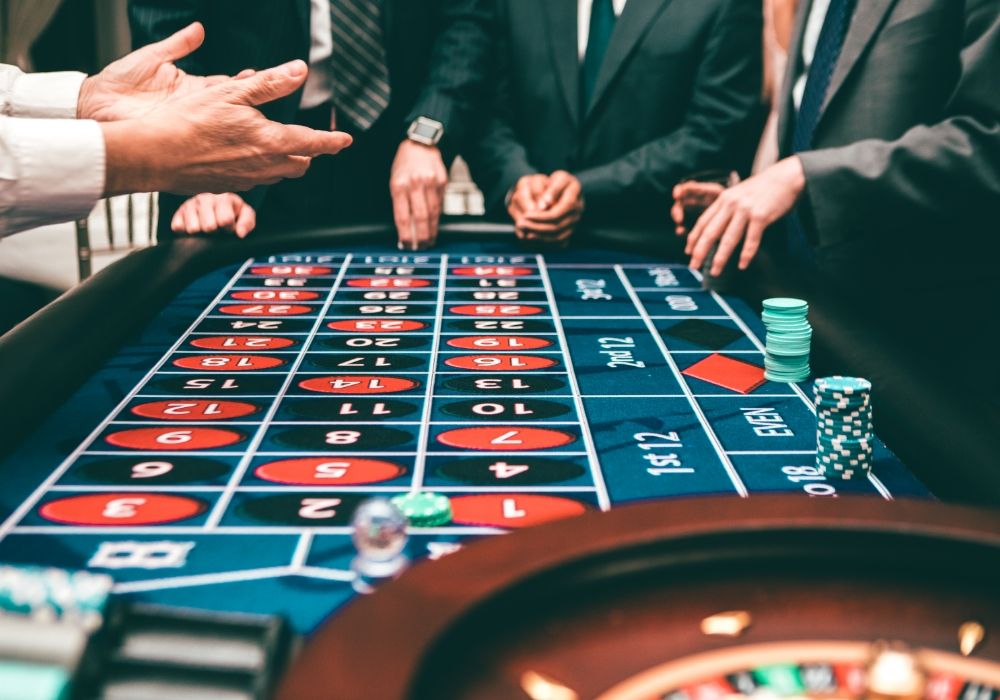
By the 17th century, the first official casinos emerged in Italy, leading to the spread of gambling across Europe. Games like roulette and baccarat became staples of the gambling culture, attracting players from all walks of life. This evolution from rudimentary games to sophisticated casino offerings is a testament to the enduring appeal of gambling throughout history.
The Rise of Modern Casinos
The 20th century saw a significant transformation in the casino industry, particularly with the legalization of gambling in various regions. Las Vegas became synonymous with gambling, transforming into a glittering oasis of entertainment and luxury. The opening of iconic casinos such as the Bellagio and the Venetian set new standards in hospitality and gaming.
Modern casinos offer a vast array of games, including not just traditional table games but also slot machines and sports betting. The integration of technology into gaming experiences has further revolutionized the industry, making it more accessible to a wider audience. The rise of online casinos has also changed the landscape, allowing players to engage in their favorite games from the comfort of their homes.
The Psychology of Gambling
The allure of casinos is not solely based on games and odds; the psychology behind gambling plays a crucial role in attracting players. The thrill of winning and the adrenaline rush associated with risk-taking create a unique experience that many find irresistible. Factors such as social interaction, environment, and the design of gaming spaces contribute to the overall appeal.
Moreover, the phenomenon of “near misses” in games can significantly enhance the player’s experience, leading to increased engagement and repeated play. Understanding the psychological aspects of gambling helps operators create environments that maximize enjoyment while also raising awareness about responsible gambling practices.
Ensuring a Safe and Secure Gaming Environment
In today’s digital age, where online gambling has surged in popularity, ensuring a safe gaming environment is of utmost importance. Websites are increasingly focused on protecting users from potential threats and unauthorized access. Through various security measures and protocols, operators strive to create a safe platform for players to enjoy their gaming experiences.
When users encounter issues accessing certain sites, it’s essential to understand the reasons behind these blocks and how to resolve them. A well-informed gaming environment prioritizes security without compromising user experience, fostering trust and reliability in an ever-evolving industry.
